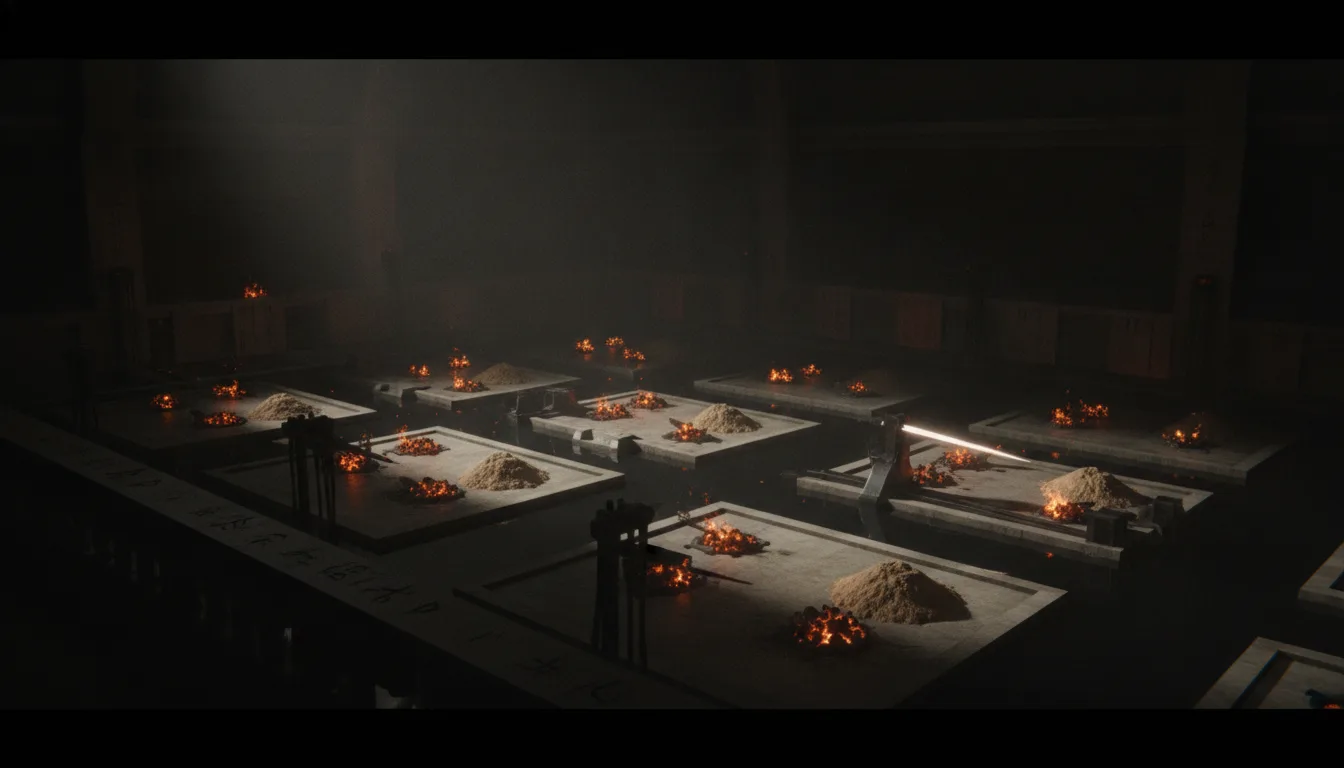
THE WHOLE, FROM THE CROWN
The whole fleet, from the crown.
The honest scope is larger than a place to watch agents work. Solora is where an organization RUNS its fleet: many agents at once over its workspaces, every load-bearing change bound as a falsifiable commitment before the work and graded against the truth after it, the whole living picture readable in one orrery. It is not an editor and not an operating system — you keep your own editor, and the two limbs that would make it more than a surface are declared below, chip by chip, rather than implied. And all of it stands on a stream: Askora, the accountable ledger the work flows through, the memory that lets the whole thing learn from itself.
NOT AN INSTRUMENT — THE WORLD
Solora is not one of the instruments. Solora is the world.
Picture the flow of work, code, models, and decisions an organization of humans and agents pushes through in a day. A house of sharp, specialized instruments stands in that stream — a guardian that watches the code flowing past and raises the alarm on what is dangerous; a held-fast instrument that stops a model mid-change and makes it tell the truth about what it became. Each is its own instrument.
Solora is not another instrument in the stream — it is the ground the instruments are cut, run, and watched from: where the fleet is dispatched, where the change flows through version control, and where the whole of it is read at a glance. And that ground stands on a stream of its own — Askora, the binding ledger where the work is committed before it happens, graded when it resolves, and kept. Vulcora is the forge where the instruments are cut; Askora is the forge's memory, the water they all work in; Solora is the sunlit workshop raised over that water — the place the whole house is built and watched from. The other products keep their record of what they found and did in Askora — that dogfood is the open credibility, and it is why the stream is the load-bearing thing under Solora, not the light.
The guardian reads the code, the shapeshifter reads the models, Askora reads and holds the work itself — and Solora is the world it is all made in.
THE MAKER'S SEAM — YOU KEEP YOUR OWN EDITOR
Where a person touches the work.
Solora is not an editor, and the plan is not to become one by default. Today a maker reaches it from whatever they already use. The editor below is stated as the one frontier where owning the surface could earn its keep — and it is stated with its own kill-criterion attached.
GRADED · LIVE Today — through your own copilot.
Makers work in their own tools — Claude Code, their editor, their agents — and reach Solora through MCP. The stream lives one screen over: bind the next commitment on Askora before you do the work, then make it wherever you already make. Nothing to switch to, nothing to give up.
DECLARED · FRONTIER Late game — the editor you open.
Solora becomes where work starts and lives: every save part of a bound intent, every file carrying its own legible identity and story. Version control runs one level above git — the change-unit is a graded commitment, not a commit. Review is intent-vs-reality: the declared claim beside the delivered artifact. ForgeBlame would answer what git-blame cannot — what was this line committed to, and did it hold. It is not built, and what gates it is concrete: an intent records a commitment and a test, not the paths or lines it moved.
bring-your-copilot (MCP) → file-story & kin → clash-before-you-type → intent-vs-reality review → the editor you open — only the first rung ships — an evolution, never a forced replacement
The gate — the bar the dream is held to
- The editor earns its keep only if editing in Solora is genuinely better than editing next to it — if opening the file here puts something on screen a plain editor beside the observatory cannot.
- We hold the dream to that bar and will not ship an editor that is merely ours instead of better.
DECLARED · FRONTIER The intent-VCS is a future primitive. This line said the change-unit, ForgeBlame and intent-vs-reality review ship today on the observatory; none of the three does. What ships is the graded commitment itself, read on the observatory — the unit exists, the joins from it to a file, a line, and a diff do not. The editor is the frontier the ladder climbs toward, and there are more rungs between here and it than this page used to admit.
THE OS LIMB — DECLARED · FRONTIER, EVERY RUNG
Where an organization runs.
DECLARED · FRONTIER This whole section is the frontier — an OS application a team installs, and workspaces that stand up the services their work needs. Neither ships. Every rung below carries its own chip so no one has to infer it from this paragraph.
Humans and agents are both processes running through one stream — Askora, the org's memory — and grading-against-truth is the scheduler that decides what earned trust and what did not. Solora does not merely record the workers; it runs them, and it governs the multiplayer.
Say the honest gap loudly: the execution body's lower rungs and the scheduler are real and running; the org-scale tenancy, the federation of sovereign teams, and the governance rituals are the frontier — named here, not claimed as shipped. DECLARED · FRONTIER
- GRADED · DOGFOODED Every worker an actor = role × isolation × trust. All spawned on one spine, with isolation scaling with blast radius — cheap, close, fast isolation for work that can only hurt itself; heavier fences as the blast radius grows. Trust is earned by trajectory, and the isolation tier is the blast radius, never a punishment. Running single-operator today; per-org isolation tiers are part of the tenancy frontier below.
- SATISFYING · NEAR The stream is the scheduler. The thing that decides what runs next is the same graded record — Askora — that decides what was any good, so the fitness function and the scheduler are the same organ. There is no separate scheduler to keep in sync with the record, because the record is the scheduler.
- DECLARED · FRONTIER Refutation is a first-class, recorded act — not a comment thread. Contesting a commitment in the open is the coordination work, and a refutation is itself graded: it can be wrong, and the record shows it.
- DECLARED · FRONTIER Cascade arbitration for genuine impasses. When refutations chain and no single grade resolves them, Solora ranks the tension in an arbiter queue and surfaces the ripe one — but it does not auto-resolve. Resolution is a time-boxed human ritual, and the ruling accretes onto the record like any other graded transition.
- DECLARED · FRONTIER An OS application, installed. The orchestration surface as something a team installs rather than opens in a tab — the fleet at hand, the lenses native, the command bar a keystroke away from wherever the work is. It is a client of the hosted ledger, never a copy of it: the record stays on our infrastructure, which is exactly what keeps an org's history one shared thing instead of a scatter of local ones. Designed, not built, and not on a date.
- DECLARED · FRONTIER A workspace that stands up what it needs. A workspace describing the services its own work requires and the fleet provisioning them under it — on our infrastructure, bound and graded like any other change. This is the fleet building for you, not Solora relocating to you: the ledger it all records into is the same hosted one. The furthest limb on this page, and the least built.
- DECLARED · FRONTIER A sealed, write-only confession channel. A place with no read path by construction, where any participant — human or agent — can say the truth the graded ledger makes costly to say in the light. It is the most distinctive piece, and honestly the least built: a design here, named as one.
The record makes truth mandatory in the open; the confession makes truth survivable in the dark.
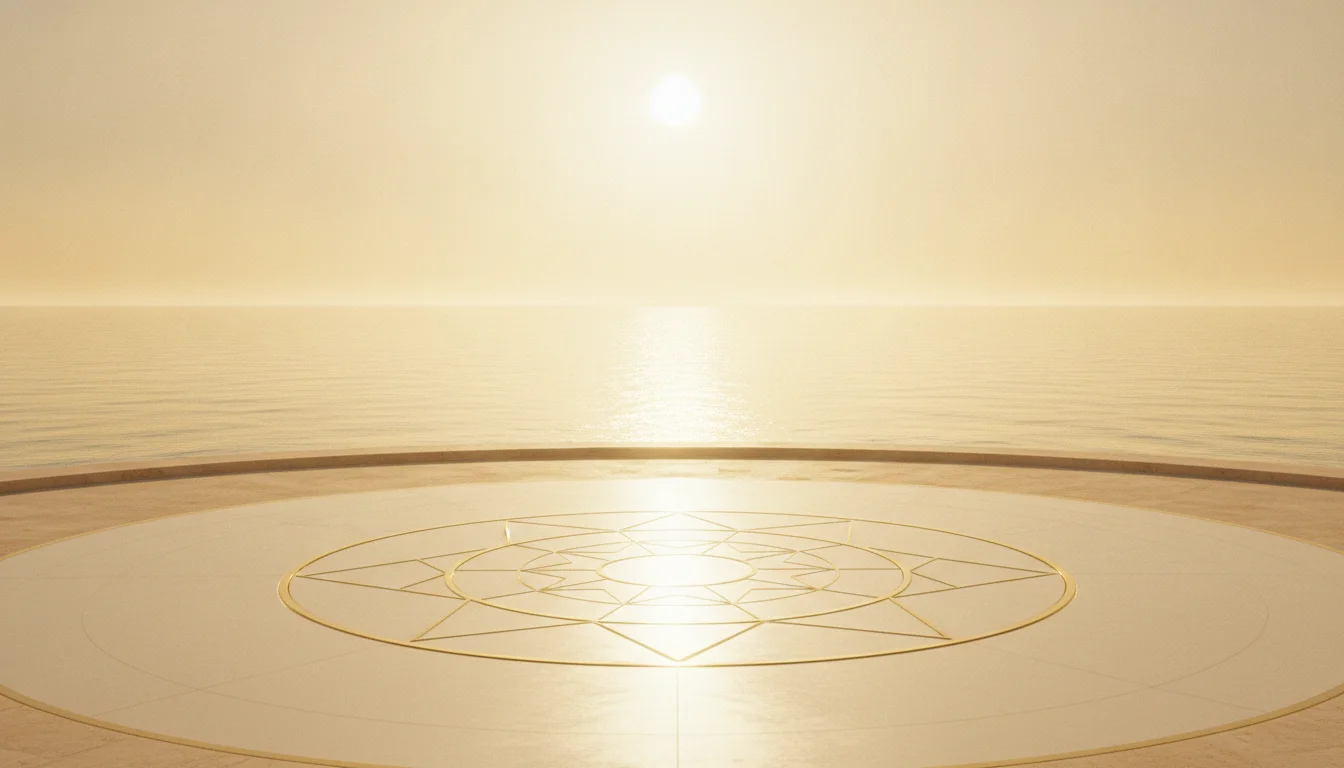
Many surfaces. One record — never two.
A maker reaches the fleet from their own tools over MCP; a team reads it in the orrery; a board reads a signed period of it. However many surfaces there are, there is exactly one record underneath — because the entire reason a ledger has value is that it is one index. Split the substrate and you re-commit the exact fragmentation — a tracker here, a doc there, a changelog somewhere else — that Askora exists to dissolve.
Surfaces can be branded and framed separately; the water underneath stays singular, and it is Askora. The one workspace →
THE COSMOLOGY — ELD → ASKA → STEN → SÓL
The shape of the cycle, and its crown.
The house speaks the smith's language, and it is not decoration — it is the cycle itself: the fire, the ash it leaves, the stone that ash settles into, and the sun that stone is finally raised into — sól, the crown, which is Solora.
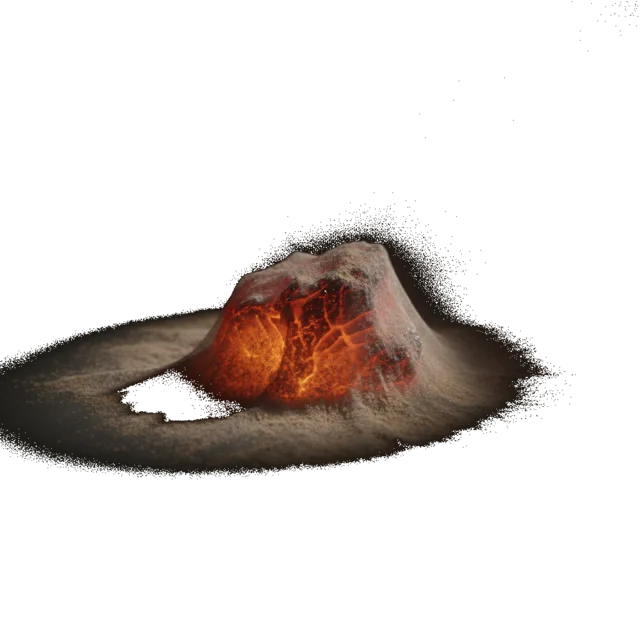 eldthe fire — the work
The active binding cycle: declare → translate → claim → satisfy. This is the IDE face, where intent is authored and burned into effort.
 askathe ash — the record
The immutable, graded paper-trail the fire leaves. This is the OS face, the org's memory, kept and read so the next fire is kindled from the last one's coals, not from cold.
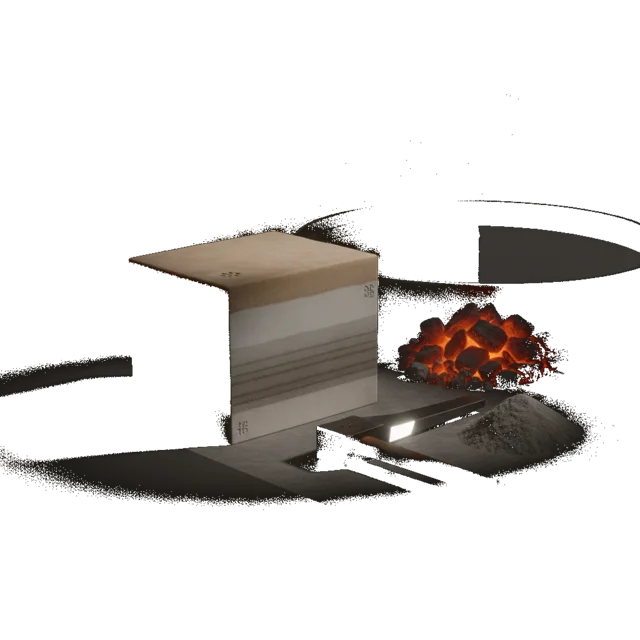 stenthe stone — the settled
The accreted configuration of everything the org still stands by — its collective commitment, which a new binding cannot silently violate. The org's own test suite, made of its kept oaths.
 sólthe sun — the crown
High noon: the whole cycle raised into the light as a standing world the day is lived inside. The Self at the mandala's center, the high-seat the house is built and watched from — where the work stops being only its own memory and becomes a lit world others can stand in. The crown of the cycle, and Solora itself.
Askora is the forge that keeps its ash — which is why an organization running on it compounds instead of repeating; Solora is the sun that ash is raised into. The full legend →
THE LATE GAME — FOUR TOOLS, ONE WORLD
The alternative to the singleplayer editor, the task tracker, the code host, and the app runtime — as one world.
None of them knows what the team committed to — or whether it held.
Where a team today straps together an AI editor, a tracker, a code host, and a runtime — four tools, none of which holds the graded intent of a mixed human+agent team — a Solora workspace is one river: the same Askora ledger plans the work, dispatches the agents, verifies what they made, grades it against what was promised, and shows the whole org the truth in real time. Running them as an org's runtime — the kernel rung — is the frontier above, not part of that sentence.
This is the whole, from the crown. The orchestration ground is real and dogfooded; the OS application, the fleet-provisioned workspace services, and the editor you open are the DECLARED · FRONTIER limbs — named honestly, not sold as shipped. The one door that would make this the standard of record is stated, not claimed. The roadmap, as bindings →
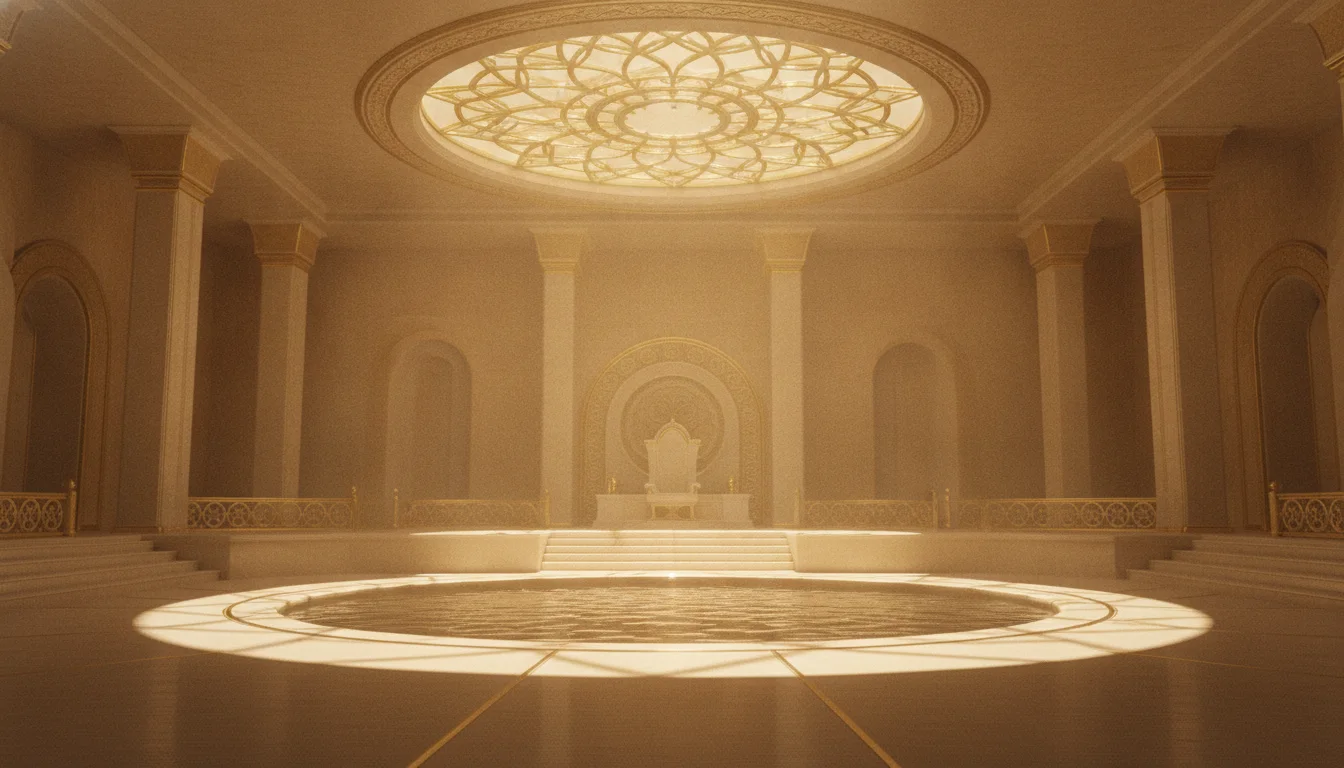
One fleet. One record.
Run your agents from wherever you already work; read the whole fleet in one orrery; keep every commitment and its grade. The ground underneath is one accountable stream: Askora.
PUBLIC ACCESS · SOON The apparatus is live inside the house today; this is how it works.